What should I put in a Christmas Eve box?
Guides · By Inkling · Updated
A Christmas Eve box is a small box a child opens on the evening of December 24th, usually holding new pajamas, a Christmas book and something cozy to eat or drink, so the night before Christmas becomes its own little tradition. It does not need to be big or expensive. Pick three or four of the ideas below and you have a box.
The classic four
1. New pajamas. The most common thing in a Christmas Eve box, and the most useful: they wear them that night and in the photos on Christmas morning. Matching family pajamas are a popular step up.
2. A Christmas Eve book. Something to read together once the box is open. A classic like The Night Before Christmas works, or a book you will keep and read again every Christmas Eve (more on that below).
3. Hot chocolate. A sachet or a jar of hot chocolate mix with mini marshmallows. A mug with their name or the year on it turns it into a keepsake.
4. A Christmas film. A family film to watch together in the new pajamas, written on a card if it is streaming, or a DVD if you still have a player.
Things for Santa’s visit
5. A plate and a note for Santa. A plate for the cookies and carrot, and a card for your child to write to Santa or draw him a picture.
6. Reindeer food. A small bag of oats to sprinkle outside for the reindeer. Skip the glitter that some recipes add: birds and other animals can eat it.
7. A letter from Santa. Our free letter from Santa takes your child’s name and prints at home, no sign-up. Tuck it in the box or leave it out with the empty plate on Christmas morning.
8. A Nice List certificate. A free printable Nice List certificate with their name on it is a fun thing to find on the top of the box.
9. Gift tags from Santa. If you want Santa’s presents to look different from yours, print Santa gift tags ahead of time.
Something to do while they wait
10. Coloring pages or an activity book. Our free Christmas coloring pages print at home and keep little ones busy while dinner is cooking.
11. A small game or puzzle. A card game or a short jigsaw everyone can do together on the evening.
12. A treat. A chocolate, a candy cane, a gingerbread person, or a cookie-decorating kit for the cookies left out for Santa.
13. Cozy socks or slippers. To go with the pajamas.
14. A flashlight. For spotting Santa from the window, or for reading under the covers until they fall asleep.
By age
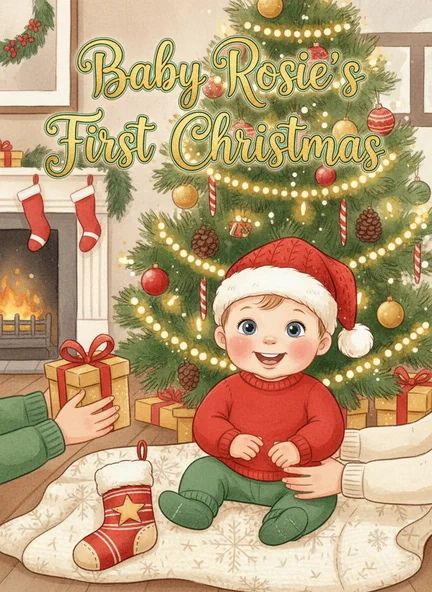
- Babies and toddlers: pajamas, a sturdy board book, a soft toy. Their first Christmas Eve box is really for the photos and for you to keep, so add a note with the date.
- Ages 3 to 7: the classic four plus reindeer food, a letter from Santa and coloring pages. This is the age the Santa things matter most.
- Ages 8 to 12: pajamas, a game the family plays together, a longer book or a comic, and a treat. Drop the Santa extras if they have stopped believing.
A Christmas Eve book starring them
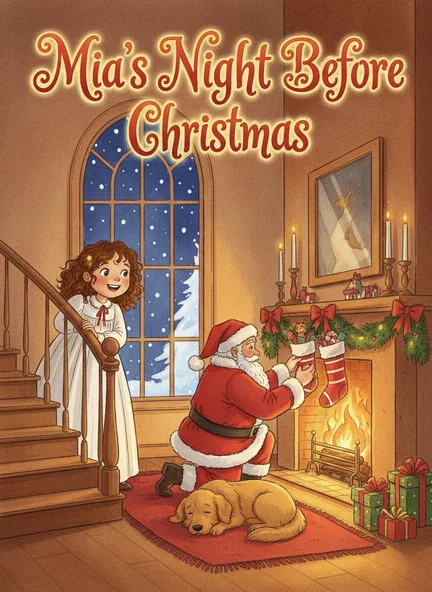
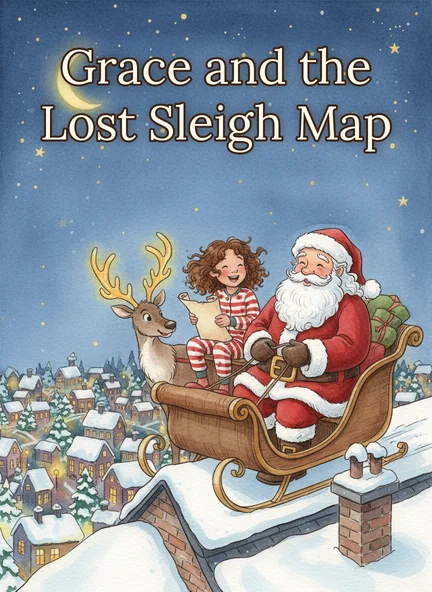
The book is the part of the box that lasts. If you want one you will read again every Christmas Eve, Inkling makes a Night Before Christmas picture book with your child as the hero: you give their name, a photo if you like and what they love, and it writes the story and draws every page. The cover and first pages are free to see before you buy.
Order in time. A printed book takes about two weeks to arrive in the US. For delivery by Christmas Eve, order the hardcover ($45 with shipping) by December 1 with standard shipping, or by December 8 with Express (see all the order-by dates). After that, the eBook (about $7) is ready the moment you buy it, to read together on a screen on the night.
How much to spend
A Christmas Eve box can cost very little: pajamas, a library or secondhand book, a hot chocolate sachet and a free printable letter from Santa make a full box. The box itself can be any shoebox the children decorate, which makes a nice activity in early December.
Why a book about them
“recommends that pediatricians encourage shared reading, beginning at birth and continuing at least through kindergarten”
“the children showed significantly better knowledge about the words that were in the personalized sections of the books than the words in the non-personalized sections”